Center Certification & Testing International
Certification Introduction
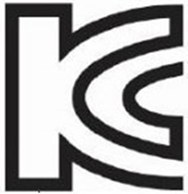
The Korean Ministry of Knowledge Economy (MKE) announced on August 25, 2008 that the Korean National Standards Committee will implement a new national unified logo, the "KC" logo, from July 2009 to December 2010. The "KC" logo means "Korea Certification". KC certification is a certification system for the safety of electrical and electronic appliances in South Korea. It is based on the Electrical Apparatus Safety Control Act (KATS) of the Korea Institute of Technology and Standards (KATS) The mandatory safety certification system implemented on January 1, 2009.
In order to avoid repeated certification, EMC and Safety will be managed separately from July 1, 2012. For electrical and electronic products applying for Korean certification, they must obtain KC certificate and KCC for their safety (Safety) and electromagnetic compatibility (EMC) requirements. Certificate (new MSIP). There are 2 KC certified qualification certification organizations: Korea Mechanical and Electrical Testing Institute (KTC, Korea Testing Certification) and Korea Industrial Technology Testing Institute (KTL, Korea Electrical Testing Institute). These two are not only KC's certification agencies, but also qualification testing laboratories.
In terms of safety standards, all products entering the Korean market must comply with the Korean safety standard K standard (similar to the IEC standard). When using the IEC standard, it must meet the requirements of South Korea. The national differences can be found in the announcement in the IECEE CB system. In terms of EMC, the Korean EMI standard is similar to the CISPR standard, and the EMS standard is similar to the EN standard.
Certification classification
Korean KC certification is divided into "KC Safety" and "KC EMC and RF"
(1) KC Safety
The latest "Electrical Appliances Safety Management Law" requires that the KC Safety certification be divided into three categories according to the different hazard levels of products:
· Compulsory Safety Certification (Safety Certification)
· Self-regulatory Safety Confirmation
· Supplier Self-Confirmation (SDoC)
Certificate validity period:
1. Compulsory safety certification ----- None, annual review maintains validity (the following template)
2. Self-discipline safety confirmation-5 years
3. Supplier self-confirmation ----- No certificate, the confirmation is permanently valid
Factory inspection requirements: mandatory safety certification requires first factory inspection and annual audit
Certificate holder requirements: The mandatory safety certification must be a factory certificate, and the other two types of certification factories / manufacturers / importers can hold the certificate.
(2) KC EMC and RF
KC EMC and KC RF certification include electromagnetic compatibility testing, radio frequency and telecommunications testing. According to the latest "Radio Wave Law" requirements, the certification system is divided into three categories according to the different levels of products that harm the radio environment:
· Certification of Conformity
· Registration of Compatibility (Registration of Compatibility)
· Interim of Conformity
Applicable product range
The range of KC certified products generally includes electrical products with AC voltages above 50 volts and below 1000 volts. In addition to products that must be certified, they must apply for self-regulatory safety confirmation.
(1). Safety certified electrical appliances (57 items)
Cables and Cords: 1 item (wires and cables)
Switches for Electrical Appliances: 1 item (Electrical Switches, Electrical Switches)
Capacitors & Filters: 1 item (capacitors, power filters)
Installation Accessories and Connection Devices: 1 item
Electrical protection components Installation Protective Equipment: 2 items (small fuses and fuse clips, circuit breakers)
Household Insulation Transformer Safety Transformer and Similar Equipment: 2 items (small household transformers, voltage stabilizers)
Electrical Appliances for Household and Similar Equipment: 36 items (vacuum cleaners, electric irons, etc.) Rated output power below 10kW, excluding explosion-proof and medical machinery
Motor Tools: (1 item)
Audio and video application equipment Audio, Video and Similar Electronic Appliance: 4 items (power supply, copier, UPS, laminator)
IT and Office Appliances: 18 items (monitors, printers, projectors, scanners, etc.)
11. Lighting machine Lighting: 4 items
(2) Products subject to self-discipline safety confirmation (95 items)
Switches for Electrical Appliances: Control terminals for electrical
Household Insulation Transformer Safety Transformer and Similar Equipment: 2 items
Electrical Appliances for Household and Similar Equipment: 35 items Rated output power below 10kW, excluding explosion-proof and medical machinery
Audio and video application equipment: 34 items (TV, video player, tuner, etc.)
Information technology and office equipment: 18 items (monitors, printers, projectors, scanners, etc.)
11. Lighting Machine Lighting: 5 items
application process
1. The customer prepares samples and materials to submit to the testing agency
2. The testing agency submits the samples and data to KTL / KTC for testing
3. KTL / KTC conducts safety test, and issues KC test report after the test is completed
4. (If any) For safety certification, KTL / KTC needs to arrange factory inspection and follow-up annual factory audit
5. KTL / KTC audit report and other application documents, issue KC certificate after no problem
Application materials
1. Relevant application form
2. Product label
3. Product manual (Korean version)
4. Parts list
5. List of derived models
6. Circuit diagram and layout
7. Parts certificate
8. Specifications of transformers and inductors
9. CB certificate and report
other
The difference between Korean KC certification and KCC certification
KCC is a mandatory certification for IT information, telecommunications and RF radio frequency products in the Korean market, including electromagnetic compatibility testing, telecommunications testing and radio frequency testing. The Korea Broadcasting and Communications Commission authorized the Korea Radio Research Institute (RRA) as the KCC certification authority. Since January 1, 2011, the original Korean KCC logo will be uniformly converted to KC. Therefore, the KCC certification and KC certification use the same certification logo, the difference is that the KCC certification logo will have a KCC ID number below it.
KC nameplate requirements
The KC nameplate must include the following:
①KC mark (including certificate number SUxxxxxxxx)
②Product name (must be displayed in Korean)
③Model name
④Voltage frequency
⑤Factory name
⑥Country of manufacture
⑦Double insulation mark "back" (if required)
⑧Year of production
⑨A / S after-sales service phone (must be in Korea)
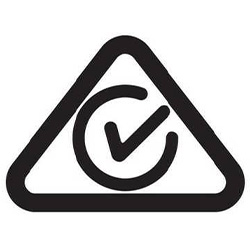
Australian RCM certification
Label printers entering the Brazilian market, ANATEL certification is an essential passport! It is the recognition of the Brazilian Telecommunications Authority for the safety and compliance of electronic products, without which products cannot be legally sold.
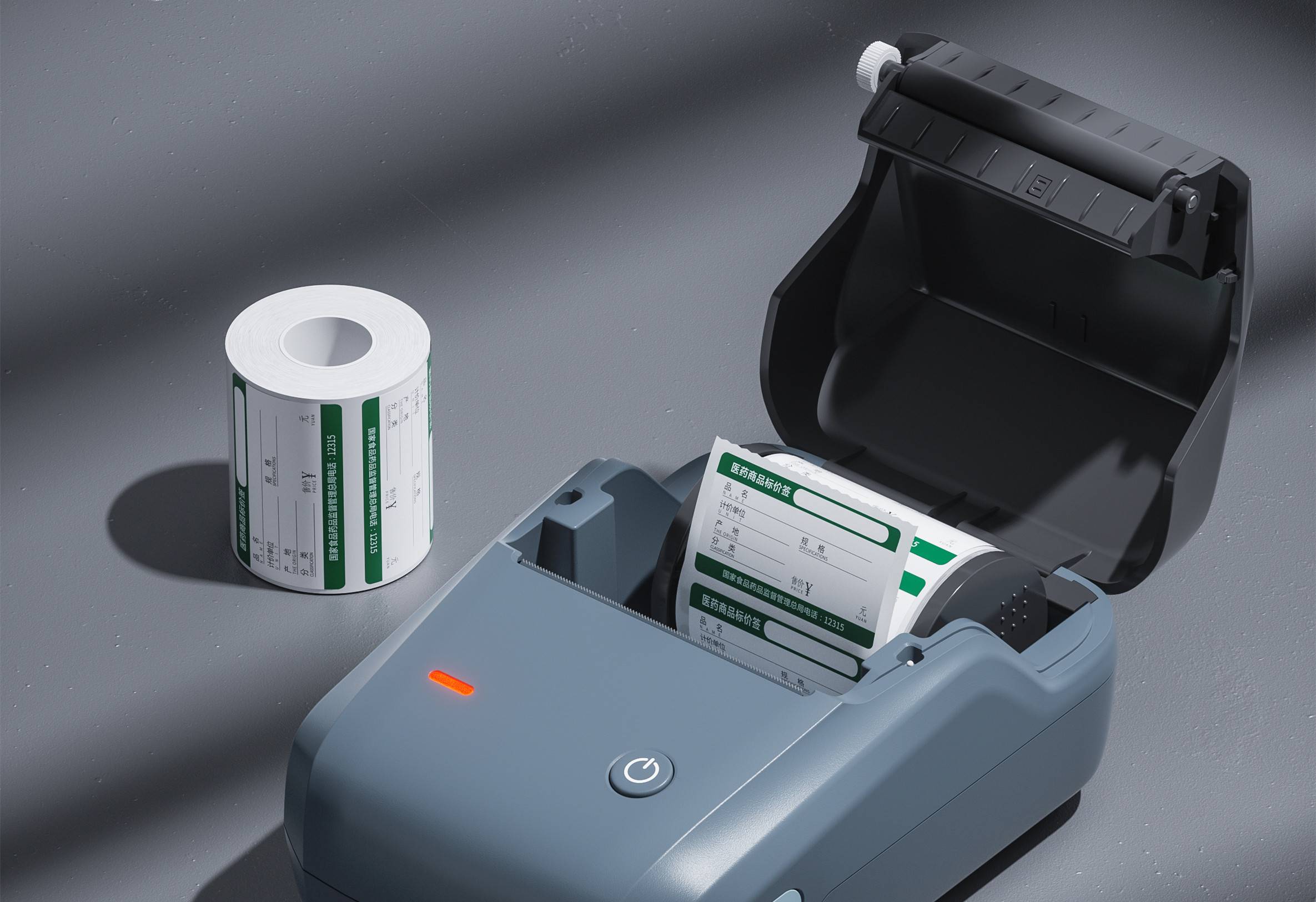
SRRC certification is not only a guarantee of product compliance, but also a key to opening up the market.
The Korean Ministry of Knowledge Economy (MKE) announced on August 25, 2008 that the Korean National Standards Committee will implement a new national unified logo, the \"KC\" logo, from July 2009 to December 2010. The \"KC\" logo means \"Korea Certification\".
Get a quote
Tik Tok