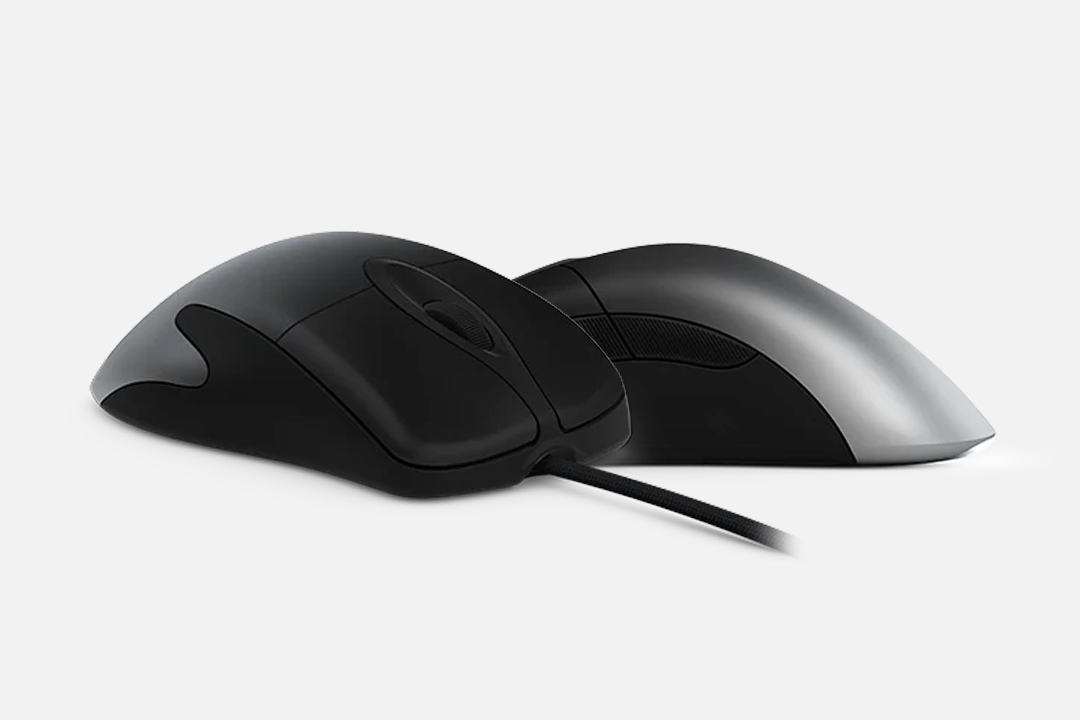
With the advantages of wireless convenience, smooth operation and portability, Bluetooth mice have become an essential peripheral for modern office and home entertainment, and the market demand continues to rise. For enterprises planning to promote Bluetooth mice to the South Korean market, compliance is the primary prerequisite for overseas expansion - as a mandatory certification system implemented by South Korea for electronic and electrical products, KC certification is a "necessary passport" for Bluetooth mice to legally enter the South Korean market. Today, based on years of certification service experience, CRL Testing will comprehensively elaborate on the core of KC certification application for Bluetooth mice, from material preparation to process steps, full of practical information to help enterprises go overseas efficiently and compliantly.
I. Why Must Bluetooth Mice Apply for KC Certification?
KC Certification (Korea Certification) is a unified national mandatory certification system implemented by the Korean Agency for Technology and Standards (KATS) in accordance with the Electrical Appliances Safety Management Act, equivalent to a "safety access certificate" for the South Korean market. As electronic devices with 2.4GHz Bluetooth wireless communication functions, Bluetooth mice fall under the scope of KC-RRA Certification (mandatory certification for radio equipment) and must pass this certification to enter the South Korean market. The core reasons are as follows:
1. Mandatory regulatory requirements: South Korea clearly stipulates that wireless communication electronic devices must pass KC certification to pass customs clearance and be legally sold on the market. Unauthorized Bluetooth mice can not enter the South Korean market. Once sold illegally, enterprises will face severe penalties such as product seizure, huge fines and revocation of market access qualifications, bringing dual economic and brand losses to enterprises.
2. Ensure product compliance and safety: KC certification requires strict testing of core items of Bluetooth mice such as radio frequency, electromagnetic compatibility and electromagnetic exposure to ensure that products comply with relevant South Korean KC-RRA standards, which not only protects the safety of South Korean consumers, but also helps enterprises avoid potential product quality risks.
3. Clear obstacles to market circulation: KC certification unifies the technical standards of the South Korean market. After obtaining the certification, Bluetooth mice can be freely circulated in South Korea without repeated application for separate national certifications, greatly reducing enterprises' cross-border trade costs and time costs.
II. Required Materials List for KC Certification for Bluetooth Mice
The completeness of material preparation directly affects the efficiency of the certification process. CRL Testing has compiled a standardized and comprehensive material list for enterprises to prepare directly and avoid delays due to missing documents:
1. Certification Application Form: Fill in as required by the certification body to ensure accurate product and enterprise information;
2. Product User Manual: Include product functions, usage methods, safety warnings and other contents, Chinese-English versions are recommended (Korean version is better);
3. RF Specifications: Clarify core radio frequency parameters such as frequency band, transmission power and modulation mode of the Bluetooth mouse;
4. Product Label: Mark product model, manufacturer, rated voltage, reserved position for KC logo and other information to ensure clear visibility;
5. RF Test Mode Data: Since Bluetooth mice adopt 2.4GHz wireless technology, fixed-frequency data is required to facilitate the laboratory to conduct radio frequency testing;
6. Antenna Report: Include relevant test data such as antenna parameters, gain and radiation pattern to ensure antenna performance complies with South Korean standards;
7. Business License: Only required when the applicant is a South Korean local company; non-South Korean enterprises do not need to prepare it.
Note: CRL Testing can provide material sorting and supplementary guidance services to help enterprises quickly complete materials and improve certification efficiency. Relying on CNAS and CMA accredited laboratories, we ensure that materials meet the review standards of South Korean certification bodies.
III. KC Certification Application Process for Bluetooth Mice, 5 Steps to Complete Efficiently
KC certification for Bluetooth mice must be handled through a third-party certification body recognized by South Korea. As a professional certification service organization, CRL Testing is familiar with the latest South Korean KC certification standards and processes, and can provide one-stop agency services. The specific standardized steps are as follows:
1. Select a compliant certification body: Enterprises need to choose a KC certification body officially recognized by South Korea (such as CRL Testing, with rich experience in wireless product certification), submit KC certification applications and the above complete materials, and clarify product testing requirements.
2. Preliminary material review: The certification body conducts a comprehensive review of the materials submitted by the enterprise to verify the completeness and accuracy of the materials. If there are missing or inconsistent items, the enterprise will be notified in a timely manner to supplement and modify them to avoid rework in the subsequent testing process.
3. Sample testing: Enterprises send 2-3 samples consistent with the mass production version as required. The certification body arranges a laboratory to conduct full testing of radio frequency (transmission power, frequency error, etc.), electromagnetic compatibility (radiated disturbance, conducted disturbance, etc.), electromagnetic exposure and other items in accordance with relevant KC-RRA standards, with a testing cycle of about 2-3 weeks. If any test item fails, the laboratory will issue targeted rectification suggestions. Enterprises resubmit samples for testing after rectification until they meet the standards.
4. Review and evaluation: After testing, the laboratory issues an official test report. The certification body conducts a secondary review of the test report and technical materials to comprehensively evaluate whether the product complies with relevant South Korean standards and regulatory requirements, with a review cycle of about 1 week.
5. Certificate issuance: After passing the review, the certification body officially issues the KC certification certificate (valid for 5 years, renewal can be applied 6 months before expiration). After obtaining the certificate, enterprises need to affix the KC logo on products and packaging in a standardized manner, accept annual market follow-up inspections, and then legally launch Bluetooth mice on the South Korean market.
IV. 3 Core Values of Applying for KC Certification for Bluetooth Mice, Cannot Be Ignored
For Bluetooth mouse enterprises laying out the South Korean market, obtaining KC certification is not only a regulatory requirement, but also a key measure for enterprises to expand the market, avoid risks and build brands. The core values are reflected in three aspects:
1. Open market access channels: KC certification is a "key" for Bluetooth mice to enter the South Korean market. With this certification, products can smoothly pass South Korean customs supervision and market access review and be sold legally, helping enterprises seize a huge share of the South Korean consumer electronics market and expand overseas business territory.
2. Enhance brand competitiveness: In the South Korean market, consumers have a high awareness of the KC certification logo. Bluetooth mice with the KC logo have passed strict safety tests and are more likely to gain consumer trust and favor, helping enterprises establish a safe and reliable brand image and form a significant differentiated advantage over uncertified products.
3. Avoid operational risks: Obtaining KC certification can effectively avoid legal risks such as seizure, fines and product recalls caused by uncertified products. At the same time, potential product compliance risks can be identified in advance during the certification process, reducing subsequent complaints, claims and other disputes caused by quality problems, and lowering enterprises' operational costs and reputation losses.
KC certification is a necessary guarantee for Bluetooth mice to enter the South Korean market and a core support for enterprises to go overseas compliantly and develop in the long term. CRL Testing focuses on global certification services for electronic and electrical products, with a professional technical team and advanced laboratory equipment. We can provide Bluetooth mouse enterprises with one-stop services including KC certification consultation, material sorting, sample testing and rectification guidance, follow up the entire certification process, help enterprises obtain certificates efficiently, smoothly explore the South Korean market, and escort products overseas.
![[Holiday Notice] 2026 ZRLK Labor Day holiday schedule](/uploads/image/202604/69f2c36a16b1d.jpg)